
Tube Surface Finishing Solutions

Tube Polishing Solutions Built Around Your Finish

Tailiang configures round tube and square or rectangular tube polishing systems around the profile, material, incoming surface, target finish and production workflow—not around a one-size-fits-all machine.

Round Tubes Square & Rectangular Tubes Single or Multi-Stage Finishing
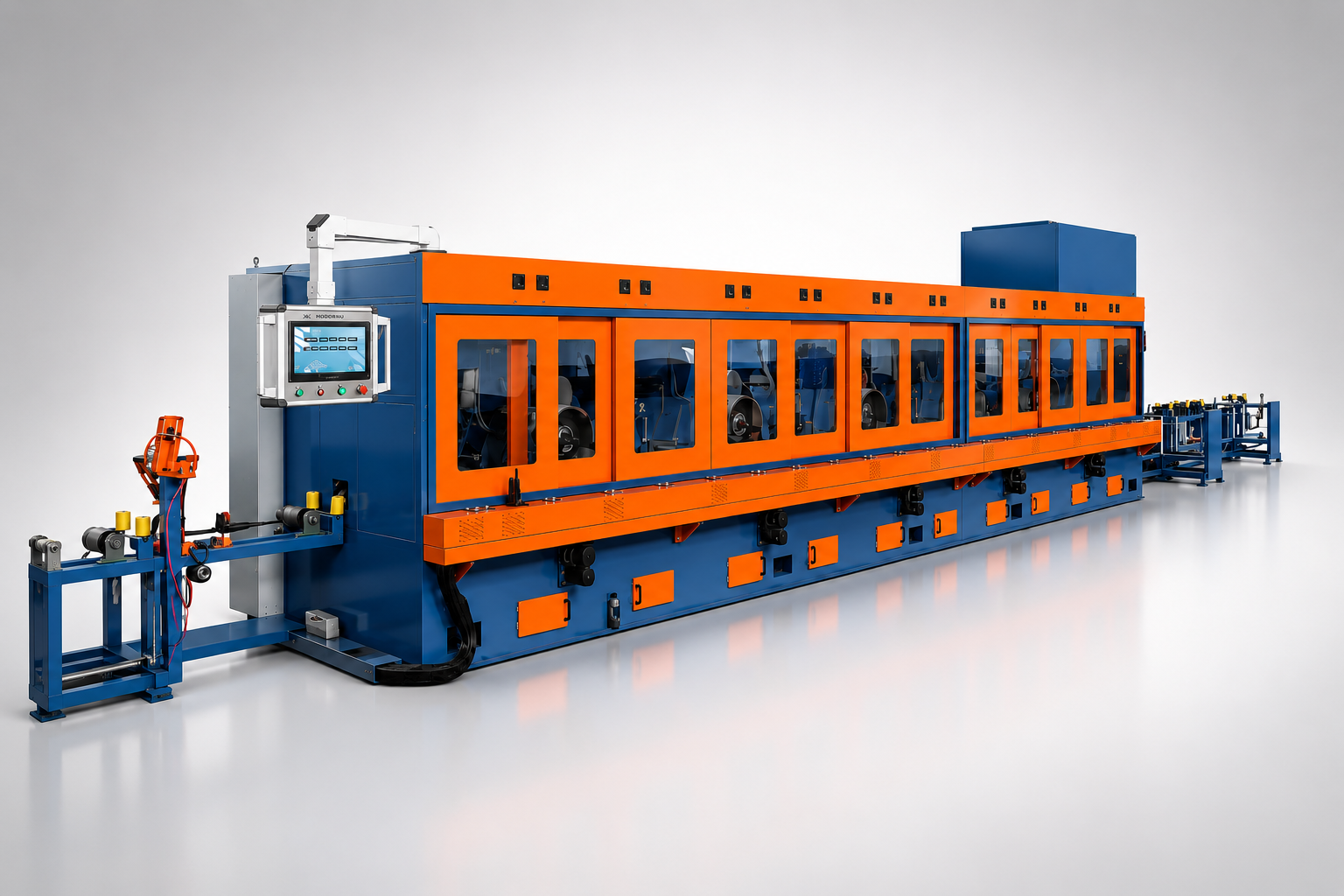
Round tube polishing solution by Tailiang
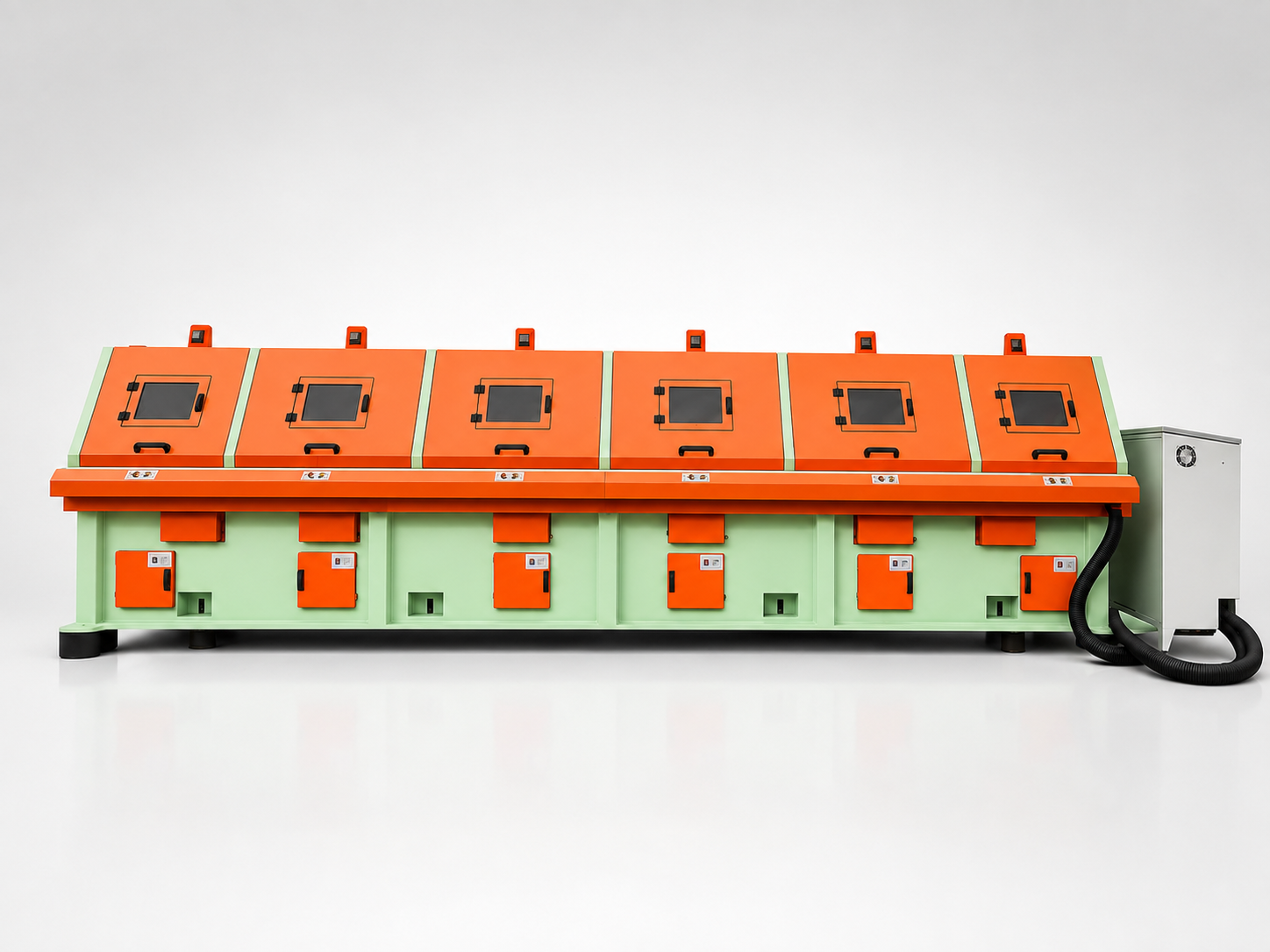
Square and rectangular tube polishing solution by Tailiang
Geometry FirstSelect the process around the tube profile
01Define the WorkpieceProfile, material, size range and length.
02Set the Finish GoalDefect removal, satin finish or polishing preparation.
03Match the ProcessAbrasives, contact method, stages and feeding.
04Verify the ResultSample testing and configuration confirmation.
Two Core Solution Families

Choose by Tube Geometry

Round tubes require controlled circumferential contact. Square and rectangular profiles require stable flat-face processing and accurate orientation. Tailiang provides a dedicated solution path for each.

360° Surface Contact Round tube polishing machine solution
Round Tube Polishing Solutions

For pipes, tubes, rods and cylindrical workpieces that need stable feeding and uniform processing around the full outer circumference.

  • Diameter-range adaptation
  • Continuous circumferential finish
  • Single or multiple stations
  • Scratch and oxide removal
  • Wet or dry process options
  • Manual or automatic feeding
Flat-Face Processing Square and rectangular tube polishing machine solution

Square & Rectangular Tube Solutions

For box sections and profiles that need controlled contact pressure across flat faces, stable orientation and repeatable treatment of selected surfaces.

  • Width and height adjustment
  • Controlled flat-face contact
  • Single or multi-face layouts
  • Edge-zone consistency
  • Profile-guided conveying
  • Multi-station configurations
Select by Surface Objective

From Surface Cleanup to Finish Preparation

The correct abrasive sequence and station arrangement depend on the incoming condition and the result required after processing.

Oxide & Scale Removal

Remove surface oxidation and production residue before downstream fabrication or finishing.

Scratch Reduction

Reduce handling marks and uneven surface defects through a controlled abrasive sequence.

Satin & Brushed Finish

Create a more uniform directional appearance for visible metal tube and profile surfaces.

Fine Finish Preparation

Prepare a consistent base surface for finer polishing stages and decorative finishing requirements.

Solution Configuration Logic

Four Decisions That Shape the Machine

Use the tabs to see how Tailiang turns your workpiece and finish requirements into a practical equipment configuration.

Configuration Input 01

Begin with the Tube Profile

Round and box-section tubes require different contact and conveying methods. The complete size range and tube length help define the adjustment range, worktable and feed arrangement.

  • Round, square or rectangular cross-section
  • Minimum and maximum outside dimensions
  • Tube length, straightness and dimensional variation
Send Tube Dimensions
Configuration Input 02

Match Abrasives to Material & Condition

Stainless steel, carbon steel and other metals respond differently to abrasives and contact pressure. Photos or samples of the incoming surface help clarify the process.

  • Material grade and existing finish
  • Scale, scratches, weld marks or handling damage
  • Dry or wet processing preference
Share Surface Photos
Configuration Input 03

Define the Finish Before the Machine

A target sample, reference photo or measurable finish requirement helps determine the number of stages and abrasive progression more accurately than a general description alone.

  • Defect removal or decorative appearance
  • Required consistency across faces or circumference
  • Single-pass or progressive finishing stages
Describe Your Target Finish
Configuration Input 04

Fit the System into Production

Required output, loading method, available floor space and upstream or downstream equipment shape the feeding and line-integration configuration.

  • Pieces per shift or required line speed
  • Manual, assisted or automatic feeding
  • Standalone use or production-line integration
Review Your Workflow
Quick Solution Comparison

Round Tube or Box-Section Solution?

The cross-section determines the core machine architecture. Use this comparison as a starting point before Tailiang reviews your complete specifications.

Selection FactorRound Tube PolishingSquare & Rectangular Tube Polishing
Typical workpieceRound tubes, pipes, rods and other cylindrical profiles.Square tubes, rectangular tubes and box-section profiles.
Contact objectiveStable, continuous contact around the outside circumference.Controlled pressure and coverage across one or more flat faces.
Workpiece guidanceGuided feeding matched to the diameter and tube stability.Profile-guided conveying that maintains orientation through processing.
Configuration focusDiameter range, circumference finish, abrasive stages and feed arrangement.Width and height range, number of faces, edge zones and station layout.
Best next stepReview round tube machine options →Review square tube machine options →

Final equipment selection should be confirmed from actual tube dimensions, material, initial surface, target result and production requirements.

Sample-Based Verification

Test the Process Before Final Configuration

Send your tube samples or visit the Tailiang workshop. Testing with your own material helps confirm the abrasive sequence, machine settings and achievable surface result before shipment.

A
Send the Workpiece DetailsProfile, dimensions, material, length and current surface condition.
B
Provide the Target ResultA sample, clear photo or finish description gives the best reference.
C
Confirm the Production NeedExpected output, feeding method and line-integration requirements.

What Tailiang Reviews

The solution is refined around real process inputs—not only a machine model number.

  • 1Whether the machine contact method matches the tube geometry.
  • 2Whether the abrasive sequence addresses the incoming defects.
  • 3Whether feeding and pressure settings deliver a repeatable finish.
  • 4Whether the final configuration fits your production workflow.
Arrange a Sample Test
Frequently Asked Questions

Questions About Tube Polishing Solutions

Please provide the tube profile, material, minimum and maximum dimensions, tube length, current surface condition, target finish and expected production output. Photos, drawings and samples improve the accuracy of the recommendation.

Round tubes and square or rectangular tubes normally require different contact and guidance methods. A dedicated machine family generally provides more stable handling and a more consistent finish. Tailiang will review unusual multi-profile requirements individually.

The answer depends on the incoming condition and target result. Heavy defect removal and finer decorative preparation may require different abrasives or multiple progressive stages. Sample testing is the most reliable way to confirm the sequence.

Line integration can be reviewed according to the tube flow, available space, feeding direction, upstream and downstream equipment, and required controls. Share a layout or process description so the connection points can be evaluated.

Yes. You can send tube samples or arrange a workshop visit. Tailiang can use your material to review machine settings, abrasive selection and the resulting surface before the configuration is finalized.

Build the Right Process

Tell Us Your Tube and Target Finish

Send the profile, material, dimensions, current surface and required result. Tailiang will review the application and recommend a suitable round tube or square and rectangular tube polishing solution.